Secure Your Home: Essential Hurricane Insurance in Florida
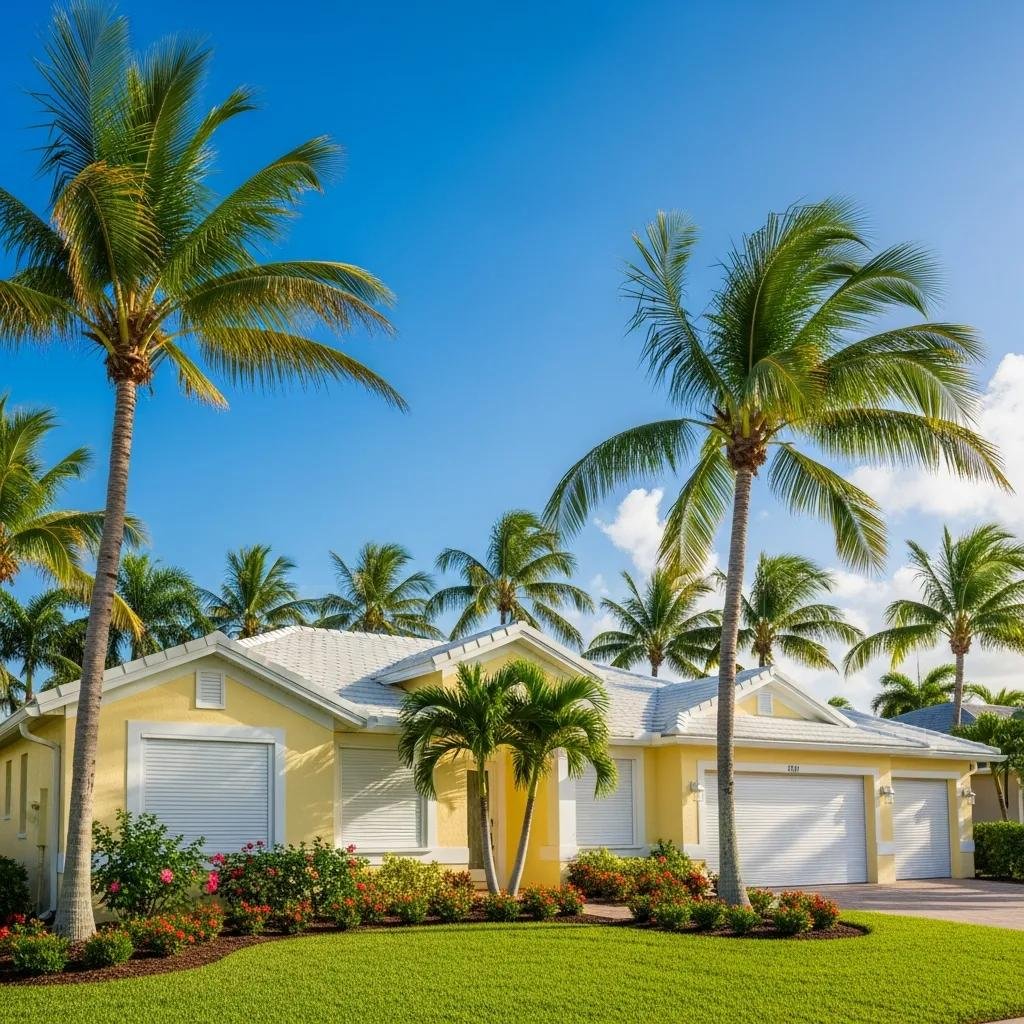
Hurricane season brings serious safety and financial risks for Florida homeowners. Understanding your insurance options and having a practical preparedness plan can cut disruption, limit losses, and speed recovery in 2025. This guide from iinsure walks through Florida homeowners’ insurance, wind and flood coverage, hurricane deductibles, and straightforward readiness steps to help homeowners better protect their property and finances.
Florida insurance agencies can use this refreshed content from iinsure to build trust and attract qualified local leads. Turn technical details into plain-language checklists, FAQs, and digital tools optimized for voice search and local SEO. Below, we break down policy elements, deductible structures, market trends, emerging products like parametric insurance, and a step-by-step claims playbook for after a storm. You’ll also find comparison tables, simple checklists, claim guidance, and marketing ideas to help agencies support clients and grow their book of business—positioning iinsure as a practical, trusted advisor on hurricane risk and recovery in Florida.
Key Takeaways
- Florida homeowners insurance in 2025 generally includes a standard homeowners policy, wind/hurricane endorsements, and separate flood policies—each with different deductible rules and coverage limits.
- Hurricane deductibles are often a percentage of the dwelling limit, which can raise out-of-pocket costs for named storms while encouraging mitigation.
- Wind coverage pays for damage from high winds; flood insurance covers water intrusion and is usually issued separately with its own waiting periods.
- Effective preparedness mixes home hardening, clear documentation, an evacuation plan, and a stocked emergency kit—steps that protect families and speed claims.
- Recent legislative changes aim to stabilize Florida’s market, attract private carriers, and strengthen consumer protections.
- Citizens Property Insurance remains the insurer of last resort, holding many higher-risk policies while private carriers cautiously expand again.
- iinsure advises agencies to capture leads through digital marketing, local SEO, and voice-search-friendly resources that answer homeowners’ top questions.
- Parametric insurance offers trigger-based payouts that can supplement traditional policies with faster financial relief after storms.
- Clear, timely documentation and a solid grasp of deductible mechanics lower disputes and help settle claims more quickly.
What Are the Key Components of Florida Homeowners Insurance in 2025?
The core of Florida homeowners’ insurance in 2025 remains a standard policy that covers the dwelling, other structures, personal property, and liability. Because hurricanes create both wind and flood exposure, many homeowners need endorsements or separate flood policies—each with its own deductible rules and claims process. Review hurricane deductible percentages, coverage limits, exclusions, and endorsements to spot gaps and choose the right supplemental protection. The table below compares standard homeowners policies, wind/hurricane endorsements, and flood insurance on deductibles, scope, and common exclusions to help you decide.
Because triggers and claims rules vary, a pre-season policy review with your iinsure agent is essential to select endorsements or separate products that match your property’s risk profile.
How Does the Hurricane Deductible Work in Florida Homeowners Policies?

Hurricane deductibles in Florida are typically expressed as a percentage of your home’s insured dwelling value, meaning you pay that portion before your insurer covers the rest. For example, a 2% deductible on a $300,000 dwelling equals $6,000 out of pocket. Confirm whether the deductible applies per named storm or annually—policy wording and triggers differ. Some policies require a named-storm declaration; others use event-based language. Ask your iinsure agent how deductibles apply in different scenarios and how wind and flood damage are separated so you’re not surprised during a claim.
Knowing how deductibles work helps you plan your finances and speeds up the claims process when damage occurs.
What Coverage Do Wind and Flood Insurance Provide in Florida?
Wind coverage protects against structural damage from strong winds—missing shingles, broken windows, and similar losses—but may require an endorsement or separate underwriting. Flood insurance, offered through the National Flood Insurance Program (NFIP) and private carriers, covers damage from rising water and storm surge and is excluded from standard homeowners policies. Flood policies often have waiting periods and different deductible structures. Confirm exclusions, mitigation discounts, contents limits, and mold provisions with your iinsure agent. Buying flood protection early and documenting your property reduces disputes and speeds payouts.
Clarifying policy terms before hurricane season sets realistic expectations about what each policy covers and how claims are handled.
How Can Florida Homeowners Prepare Effectively for Hurricane Season?
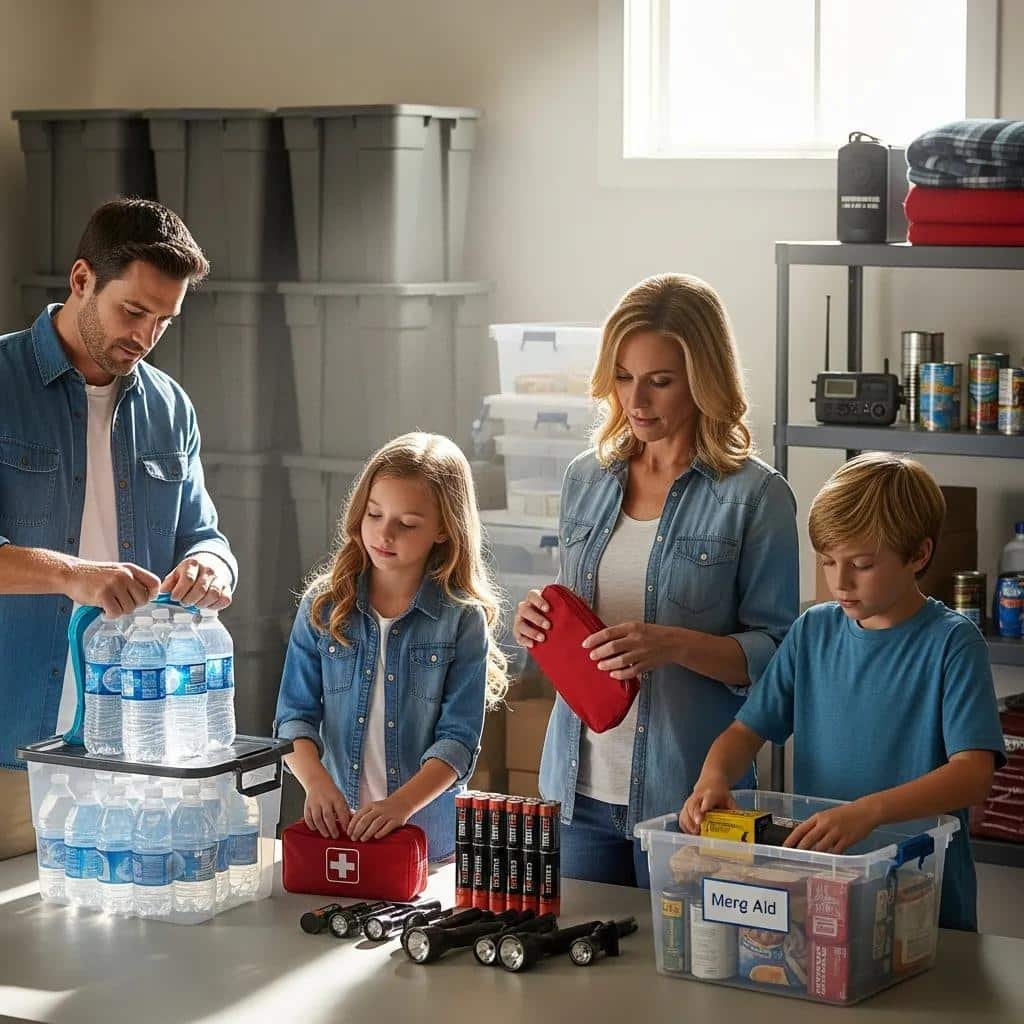
Effective hurricane preparation mixes home hardening, thorough documentation, a clear communication plan, and a well-stocked emergency kit. Consider impact-rated windows or storm shutters, reinforce the roof and gables, trim trees, and secure or store outdoor furniture to reduce wind-borne damage.
Create photo and video inventories of your home and store digital copies of policies and important documents off-site. Set an evacuation plan with meeting points and communication methods. Pack an emergency kit with water, medications, chargers, and essential papers to stay safe during outages or displacement.
These steps protect your family and make the claims process easier by providing clear proof of loss.
Agencies working with iinsure can turn this checklist into downloadable lead magnets or interactive tools to capture local prospects and follow up with educational content.
Hurricane preparedness checklist for homeowners:
- Inspect and reinforce your roof: Fix shingles, flashing, and attachments before the season.
- Install impact protection: Add storm shutters or impact‑rated windows and doors.
- Trim and secure landscaping: Remove weak limbs and stabilize vulnerable trees.
- Secure outdoor items: Store or fasten furniture, grills, and yard decor.
- Document your home: Create photo/video inventories and keep backups offsite or online.
- Review insurance coverage: Verify limits, hurricane deductible type, and flood exclusions with your iinsure agent.
- Assemble an emergency kit: Pack water, food, meds, first aid supplies, chargers, and important documents.
- Develop evacuation and communication plans: Know your zone, routes, and family meeting places.
- Establish backup utilities: Consider generators and follow safe fuel-storage guidelines.
- Identify trusted contractors: Keep a list of licensed professionals for post-storm repairs.
This checklist highlights high-impact actions homeowners should take before, during, and after hurricanes to protect people and property—and to improve claims readiness.
Enhance Your Client Engagement with Customized Lead Magnets from iinsure
Homeowners want clear, reliable hurricane guidance. Agencies partnering with iinsure can convert checklists, evacuation maps, and short how-to guides into lead magnets optimized for voice searches like “how to prepare for hurricane season in Florida” and “best hurricane insurance coverage.” Offer printable, easy-to-follow resources in exchange for contact information and follow up with drip campaigns focused on coverage options and mitigation benefits. Life Improvement Media builds SEO-friendly landing pages and lead-capture workflows designed for insurance agents in hurricane-prone markets, supporting iinsure’s advisory approach.
What Are the 2025 Florida Homeowners Insurance Rates and Market Trends?
In 2025, Florida’s homeowners market continues to evolve. Private insurers are selectively returning to lower-risk areas while coastal zones face premium pressure as catastrophe models and risk awareness rise. Recent regulatory reforms aim to stabilize the market, improve transparency, and refine rate-setting to balance affordability and insurer solvency. Regional differences persist: inland homes typically see lower premiums than coastal properties. The table below summarizes current program trends and likely effects.
How Are Legislative Reforms Impacting Florida Insurance Premiums?
Florida’s 2025 reforms aim to encourage private market participation, streamline claims disputes, and improve catastrophe modeling used for rates. These changes can lead to short-term premium adjustments that better reflect risk while seeking long-term stability. Premium impacts vary by location, construction quality, and mitigation measures. Agencies should explain the effects of reform to clients and promote discounts tied to risk reduction—advice recommended by iinsure.
The National Association of Insurance Commissioners (NAIC) offers detailed information on Florida’s regulatory changes and their implications for homeowners’ insurance.
What Is the Role of Citizens Property Insurance Corporation in 2025?
Citizens remains Florida’s insurer of last resort for properties that private carriers decline. Although its policy count has fallen as some risks shift back to private insurers, it still holds a sizeable share of high-exposure policies that influence market dynamics and premiums. Placement with Citizens often indicates limited private options and may mean higher long-term costs. Work with your iinsure agent on mitigation investments that could improve your chances of qualifying for private coverage—and set realistic expectations on availability and price.
How Can Florida Homeowners, Apartment Dwellers, and Business Owners Protect Their Properties and Understand Insurance?
Hurricanes affect a wide range of Florida residents and business owners—from single-family homes and apartment units to commercial properties. Understanding insurance options and preparedness steps matters for every property type.
Homeowners should confirm wind coverage and consider separate flood insurance because of Florida’s flood exposure. Keeping documentation current and implementing home-hardening measures strengthens safety and claims outcomes.
Apartment dwellers typically rely on renters’ insurance, which usually does not cover flood damage. Verify that your policy protects personal belongings against wind-related losses and consider supplemental coverage for flood or evacuation expenses.
Business owners should review commercial property insurance to confirm wind and flood coverage, understand deductible structures, and assess business interruption coverage. Maintain documentation, evacuation plans, and emergency kits to support resilience and claims processing.
Across property types, practical preparedness includes safeguarding assets, compiling clear inventories, and understanding how deductibles apply for wind and flood events.
- Review your insurance policies for coverage details specific to your property type.
- Document property and valuables with dated photos and videos stored securely offsite.
- Prepare an emergency kit sized to your household or business needs, with essentials for several days.
- Develop an evacuation plan that covers family members, employees, and special requirements.
- Consult your insurance agent to clarify coverages, deductibles, and claims processes before a storm.
- Buy flood insurance early when recommended—waiting periods may apply.
- For businesses, keep continuity plans, contractors, and emergency contact lists up to date.
Taking these steps helps protect people and property and speeds recovery after hurricanes.
What Are Emerging Insurance Products and Solutions for Florida Homeowners?
New products are emerging to fill coverage gaps and speed access to funds after disasters. Parametric insurance pays a preset amount when objective weather triggers occur, avoiding lengthy loss adjustments. Hybrid private flood products combine NFIP foundations with private-market flexibility to offer higher limits and faster claims in some areas. Agencies can present these options as layers alongside standard homeowners, wind, and flood policies for clients seeking quicker liquidity and stronger resilience—an approach supported by iinsure.
How Does Parametric Insurance Address Coverage Gaps?
Parametric policies pay automatically when a measurable trigger—for example, wind speeds at a designated station—is met. Payouts aren’t tied to actual repair costs but provide fast funds for emergency repairs or living expenses, bypassing delays common with traditional claims. Market parametric options by stressing quick payouts, clear trigger definitions, and how they pair with conventional insurance to broaden protection.
Why Is Flood Insurance Separate from standard homeowners’ policies?
Flood risk uses different actuarial models and regulations than wind damage, so flood coverage is kept in separate risk pools and premium structures. Standard homeowners policies exclude flood damage; flood insurance is available through the NFIP and private carriers and often includes waiting periods. Federally backed mortgages and properties in mapped flood zones usually require flood insurance, but many homeowners outside mapped zones also benefit from it because flood risk can be unpredictable.
How Can Homeowners and Agencies Navigate the Claims Process After a Hurricane?
Smooth hurricane claims begin with timely filing, careful documentation, and clarity about the deductible application and how wind and flood damage are attributed. Key steps include ensuring safety, taking dated photos and videos, promptly notifying your insurer, making temporary repairs to prevent further loss, and saving receipts for additional living expenses (ALE). Keep detailed records of all insurer communications and obtain licensed contractor estimates to support settlements.
Agencies that provide post-storm checklists and hands-on claims assistance—like those supported by iinsure—can reduce friction, increase satisfaction, and limit the need for appraisals or litigation.
Below is a claims checklist with common challenges and steps that improve outcomes.
- File claims promptly: Report damage as soon as it’s safe to do so.
- Document the damage thoroughly: Take clear, time-stamped photos, videos, and inventory records.
- Delineate wind and flood damage: Provide evidence that clarifies which policy applies.
- Keep repair receipts: Save invoices for temporary fixes to support reimbursement.
- Log communications: Track every insurer interaction for your records.
- Work with licensed contractors: Obtain detailed estimates to substantiate repair needs.
What Are Common Challenges with Hurricane Deductibles and Claims?
Homeowners often misunderstand percentage-based hurricane deductibles, dispute how events are triggered (named storm vs. wind event), and struggle to separate wind and flood damage when both occur. Percentage deductibles can lead to high out-of-pocket costs, so review the application rules before a storm. Pre-storm photos and contractor assessments help prove causation and speed resolution.
Clear communication and thorough documentation significantly reduce disputes and accelerate settlements—core principles of iinsure’s client guidance.
How Does Additional Living Expenses Coverage Support Displaced Homeowners?
Additional Living Expenses (ALE) covers reasonable costs if you’re displaced—hotel lodging, meals, and storage—up to policy limits and for a defined period. Keep receipts and records to support ALE claims. Pairing ALE with parametric or other fast-pay products can ease financial strain while traditional claims are processed. Agencies should coach clients on ALE documentation to help ensure timely reimbursement and reduce stress.
Consult with iinsure to Elevate Your Agency’s Preparedness Program
Agencies that want to turn preparedness content into effective lead tools can consult iinsure. Their expertise in insurance-focused digital marketing, local SEO, content development, and lead generation helps agencies publish high-impact resources, automate lead capture, and measure conversions tied to educational campaigns—helping them stand out as Florida’s independent hurricane insurance experts.
Frequently Asked Questions
What should I include in my hurricane preparedness kit?
Your hurricane kit should cover essentials for at least three days: one gallon of water per person per day, nonperishable food, first-aid supplies, flashlights and extra batteries, hygiene items, prescription medications, important documents in waterproof containers, a multi-tool, blankets, phone chargers, and a whistle. Keep the kit accessible and refresh supplies regularly.
How can homeowners reduce their hurricane insurance premiums?
Reduce premiums by hardening your home—install impact-resistant windows and reinforce the roof to qualify for discounts. Compare multiple insurers, consider bundling policies, keep up maintenance, and review limits and deductible choices periodically to avoid paying for unnecessary coverage. Consult iinsure agents for tailored recommendations.
Why is it important to document my property before a hurricane?
Pre-storm photos and videos create a clear baseline for claims, reduce disputes, and speed settlements. Keep both digital and physical backups of inventories and policy documents so evidence remains available even after severe damage.
How do I determine if I need flood insurance?
Check FEMA flood maps or talk with your agent to assess flood risk. Properties in high-risk zones and those with federally backed mortgages often must carry flood insurance, but many Florida homeowners outside mapped zones also benefit from it because flood risk can be unpredictable.
What steps should I take when filing a hurricane insurance claim?
After you’re safe, report damage promptly. Document losses with date-stamped photos and videos, separate wind and flood damage where possible, save repair receipts, follow insurer instructions, and keep a detailed log of communications and estimates.
How can insurance agencies assist homeowners in preparing for hurricane season?
Agencies can help by sharing clear educational resources, hosting community workshops, distributing local risk guides, reviewing client policies for gaps, and promoting mitigation steps that improve coverage options and claims outcomes. These services are central to the iinsure approach.
What is parametric insurance, and how does it benefit homeowners during hurricanes?
Parametric insurance pays a predefined amount when objective weather metrics—like wind speed—cross a set threshold. It delivers fast liquidity without the usual claims delays and complements traditional coverage to help with immediate repairs and living costs.
Conclusion
Understanding hurricane insurance and taking practical preparedness steps helps Florida homeowners reduce damage and recover faster. Layering parametric insurance and ALE with traditional policies strengthens financial resilience. Agencies can stand out by offering clear guidance, voice-optimized digital content, and conversion-ready lead tools that educate and retain clients. Contact iinsure to explore tailored solutions that improve your hurricane preparedness and insurance strategy.
For more information on Florida insurance and hurricanes, visit the Florida Office of Insurance Regulation, and for federal flood insurance details, see the FEMA Flood Insurance Program. Florida Hurricane Insurance & Preparedness: A Practical Guide for Homeowners and Insurance Agencies
This article is for general information only and isn't insurance, legal, or financial advice. Coverage, availability, and pricing vary, contact iInsure for guidance specific to your situation.